“stone roasting” search results (500)

Introduction of several defective beans of Coffee beans
Moldy beans: because of incomplete drying, or damp in the process of transportation and storage, cyan and white molds grow, which sometimes make the beans stick together. If these moldy beans are not removed, they will produce moldy smell. Dead beans: beans with abnormal results. The color is not easy to change because of baking, so it is easy to distinguish. The flavor is thin, as harmful as silver skin, and will become a peculiar smell.
2014-10-08 Coffee knowledge coffee defective beans
Distinguish coffee defective beans
Moldy beans: because of incomplete drying, or damp in the process of transportation and storage, cyan and white molds grow, which sometimes make the beans stick together. If these moldy beans are not removed, they will produce moldy smell. Dead beans: beans with abnormal results. The color is not easy to change because of baking, so it is easy to distinguish. The flavor is thin, as harmful as silver skin, and will become a peculiar smell.
2014-09-02 Coffee knowledge coffee defective beans kinds of defective beans
Refreshing Yemeni coffee flavor, characteristics, taste and manor
Yemeni coffee originated from Arabian coffee trees hundreds of years ago, all produced in areas above 3000 feet above sea level. For hundreds of years, the unique planting and production methods of Yemeni coffee have remained almost unchanged. The seedlings of Yemeni coffee trees are first cultivated in nurseries and then transplanted to high elevations. Pesticides and fertilizers are not used in the breeding process. Mature coffee beans are naturally dried on coffee trees and shelled by stone grinding.
2016-08-30 Refreshing Yemeni coffee flavor specialty taste manor Yemen
Understand how to grind coffee beans easily (2)
The ideal time for coffee grinding is to grind it before cooking. Because ground coffee is easy to oxidize and lose its flavor, especially without proper storage, coffee powder is also easy to change flavor, so it is naturally impossible to cook mellow coffee. Before the invention of the bean grinder, people used stone pestles and bowls to grind coffee beans. A doctor once experimented with this ancient tool and worked with
2015-10-21 Easy. Got it. Coffee beans. What?
The latest introduction of Yemeni coffee boutique coffee
Yemeni coffee originated from Arabian coffee trees hundreds of years ago, all of which are produced in areas above 3000 feet above sea level. For hundreds of years, the unique planting and production methods of Yemeni coffee have remained almost unchanged. The seedlings of Yemeni coffee trees are first cultivated in nurseries and then transplanted to high elevations. Pesticides and fertilizers are not used in the breeding process. Mature coffee beans are naturally dried on coffee trees and shelled by stone mill.
2015-12-02 Yemen coffee boutique introduction latest origin hundreds
Coffee basic knowledge boutique coffee beans several kinds of defective beans introduction
Moldy beans: because the drying is not complete, or in the transportation, storage process damp, and grow cyan, white mold, sometimes make beans stick together, if not remove these moldy beans, will produce mold odor. Dead beans: beans that bear abnormal fruit. The color is not easily changed by baking, so it is easy to distinguish. Flavor thin, with silver skin
2014-11-21 Coffee knowledge coffee knowledge defective beans
Yemeni coffee flavor Yemeni coffee characteristics Yemeni coffee taste
Yemeni coffee originated from Arabian coffee trees hundreds of years ago, all produced in areas above 3000 feet above sea level. For hundreds of years, the unique planting and production methods of Yemeni coffee have remained almost unchanged. The seedlings of Yemeni coffee trees are first cultivated in nurseries and then transplanted to high elevations. Pesticides and fertilizers are not used in the breeding process. Mature coffee beans are naturally dried on coffee trees and shelled by stone grinding.
2016-08-29 Yemen coffee flavor characteristics taste origin hundreds years ago
Introduce several kinds of coffee defective beans
Moldy beans: because of incomplete drying, or damp in the process of transportation and storage, cyan and white molds grow, which sometimes make the beans stick together. If these moldy beans are not removed, they will produce moldy smell. Dead beans: beans with abnormal results. The color is not easy to change because of baking, so it is easy to distinguish. The flavor is thin, as harmful as silver skin, and will become different.
2014-06-16 Coffee knowledge defective beans Coffee Encyclopedia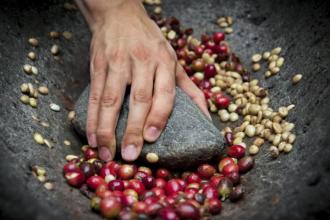
Refreshing and refreshing Yemeni coffee flavor, characteristics, taste and manor
Yemeni coffee originated from Arabian coffee trees hundreds of years ago, all produced in areas above 3000 feet above sea level. For hundreds of years, the unique planting and production methods of Yemeni coffee have remained almost unchanged. The seedlings of Yemeni coffee trees are first cultivated in nurseries and then transplanted to high elevations. Pesticides and fertilizers are not used in the breeding process. Mature coffee beans are naturally dried on coffee trees and shelled by stone grinding.
2016-08-30 Refreshing refreshing endless aftertaste Yemen coffee flavor specialty mouth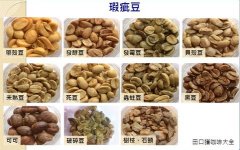
Introduction to Coffee basic knowledge, Fine Coffee and defective beans
Moldy beans: because of incomplete drying, or damp in the process of transportation and storage, cyan and white molds grow, which sometimes make the beans stick together. If these moldy beans are not removed, they will produce moldy smell. Dead beans: beans with abnormal results. The color is not easy to change because of baking, so it is easy to distinguish. The flavor is thin, as harmful as silver skin, and will become a peculiar smell.
2014-12-30 Coffee basics common sense boutique defects introduction mildew because dry incomplete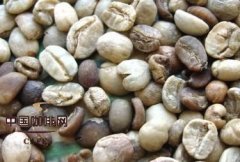
Basic knowledge of boutique coffee defective beans
Moldy beans: because of incomplete drying, or damp in the process of transportation and storage, cyan and white molds grow, which sometimes make the beans stick together. If these moldy beans are not removed, they will produce moldy smell. Dead beans: beans with abnormal results. The color is not easy to change because of baking, so it is easy to distinguish. The flavor is thin, as harmful as silver skin, and will become a peculiar smell.
2015-01-28 Boutique coffee basics defects mildew because dry incomplete is in
The basic knowledge of Coffee defective beans
Moldy beans: because of incomplete drying, or damp in the process of transportation and storage, cyan and white molds grow, which sometimes make the beans stick together. If these moldy beans are not removed, they will produce moldy smell. Dead beans: beans with abnormal results. The color is not easy to change because of baking, so it is easy to distinguish. The flavor is thin, as harmful as silver skin, and will become a peculiar smell.
2015-05-11 Coffee defects coffee beans basics common sense mildew because dry incomplete is
Introduction to the characteristics and treatment methods of coffee flavor description of Indonesia Fuyin Manor with strong texture
Indonesia is also the producer of the world's most expensive coffee, known as Kopi Luwak. The historical origin of Kopi Luwak is as interesting as its taste. The authentic Kopi Luwak collects the droppings of wild raccoons (common raccoons, coconut raccoons), which are nocturnal in coffee plantations, foraging for well-ripe coffee beans. But it can't digest rocks, cafes and cherries, so these cherries
2016-09-26 Texture thick Indonesia Fuyin Manor Coffee Flavor description producing area characteristics
What is the purpose of coffee cup testing? Sumatra coffee beans are grown in Asia.
Therefore, when we taste a cup of coffee, we can understand the coffee characteristics of this cup of coffee in aroma, taste, flavor and so on, and we can find out your favorite cup of coffee. Of course, professional cup testing has the so-called certain roasting degree of coffee and cup brewing and cup testing process, if ordinary people taste coffee to use this cup test method to find good coffee, then you will be disappointed. This is a professional coffee.
2016-06-08 Coffee cup test purpose what is Asia Sumatra coffee beans grown so
Introduction of several kinds of defective beans in basic knowledge of Coffee
Moldy beans: because of incomplete drying, or damp in the process of transportation and storage, cyan and white molds grow, which sometimes make the beans stick together. If these moldy beans are not removed, they will produce moldy smell. Dead beans: beans with abnormal results. The color is not easy to change because of baking, so it is easy to distinguish. The flavor is thin, as harmful as silver skin, and will become a peculiar smell.
2014-11-22 Coffee knowledge coffee knowledge coffee basics defective beans
Several kinds of coffee defective beans are introduced.
Moldy beans: because of incomplete drying, or damp in the process of transportation and storage, cyan and white molds grow, which sometimes make the beans stick together. If these moldy beans are not removed, they will produce moldy smell. Dead beans: beans with abnormal results. The color is not easy to change because of baking, so it is easy to distinguish. The flavor is thin, as harmful as silver skin, and will become a peculiar smell.
2014-08-05 Introduction several coffee defects mildew because dry incomplete is in transport
The concept and principle of Coffee Bean Grinding and the differentiation of Coffee Powder
First, smell the vents of the coffee bag before opening the bag. Good coffee has a clear aroma of coffee powder, while bad coffee has all kinds of bad smells, most of which are scorched. However, people who sell that kind of coffee will generally fool us ordinary people, saying: coffee is that flavor. Second, the color and particles of coffee powder after opening the bag are generally good.
2015-11-27 Coffee beans grinding concepts principles identification coffee powder good or bad discrimination open
Ground coffee beans
Coffee grinding the ideal time for coffee grinding is to grind it before it is cooked. Because ground coffee is easy to oxidize and lose its flavor, especially without proper storage, coffee powder is also easy to change flavor, so it is naturally impossible to cook mellow coffee. Before the invention of the bean grinder, people used stone pestles and bowls to grind coffee beans. A doctor once experimented with this old job.
2014-06-26 Hand-ground coffee beans coffee grinding coffee powder
Refreshing, giving people an endless aftertaste of Yemeni coffee flavor, characteristics, taste and manor
Yemeni coffee originated from Arabian coffee trees hundreds of years ago, all produced in areas above 3000 feet above sea level. For hundreds of years, the unique planting and production methods of Yemeni coffee have remained almost unchanged. The seedlings of Yemeni coffee trees are first cultivated in nurseries and then transplanted to high elevations. Pesticides and fertilizers are not used in the breeding process. Mature coffee beans are naturally dried on coffee trees and shelled by stone grinding.
2016-08-30 Refreshing refreshing endless aftertaste Yemen coffee flavor specialty mouth
The defects of high-quality coffee beans introduce the basic knowledge of coffee
Moldy beans: because of incomplete drying, or damp in the process of transportation and storage, cyan and white molds grow, which sometimes make the beans stick together. If these moldy beans are not removed, they will produce moldy smell. Dead beans: beans with abnormal results. The color is not easy to change because of baking, so it is easy to distinguish. The flavor is thin, as harmful as silver skin, and will become a peculiar smell.
2015-10-14 Boutique coffee beans defects introduction coffee basics common sense mildew because dry